
Pool Replastering in Houston
When a pool needs replastering rather than patching
When the failures stop spreading from one spot and start appearing in new ones. Staining that will not brush out, rough patches that catch your feet, and hollow spots that sound different underfoot all point the same way.
At that stage patching is money spent twice.
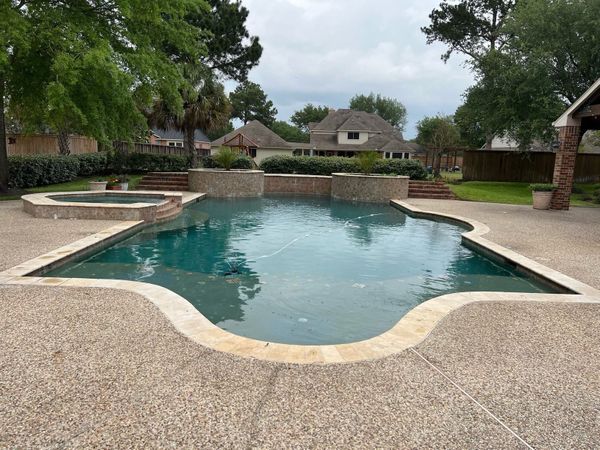
Plaster has a working life, and Houston is hard on it
Hard water, a long swim season and heavy sun all age a plaster surface. You will feel it before you see it, usually as roughness underfoot.
Once the surface is porous it also starts eating chemicals, so your running costs climb quietly.
What a replaster actually involves
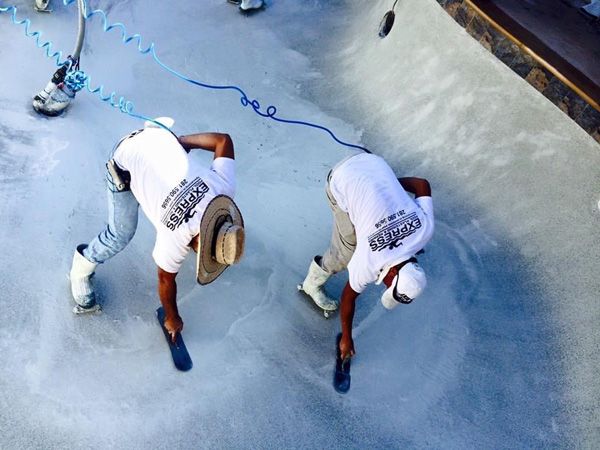
We drain the pool, chip out the failed plaster, then prepare and repair the shell underneath. We cut in the waterline and the fittings, then apply the new coat.
Then we manage the fill and the first week of start-up chemistry. That part matters more than people expect. It is where a lot of new plaster gets ruined.
Choosing your finish
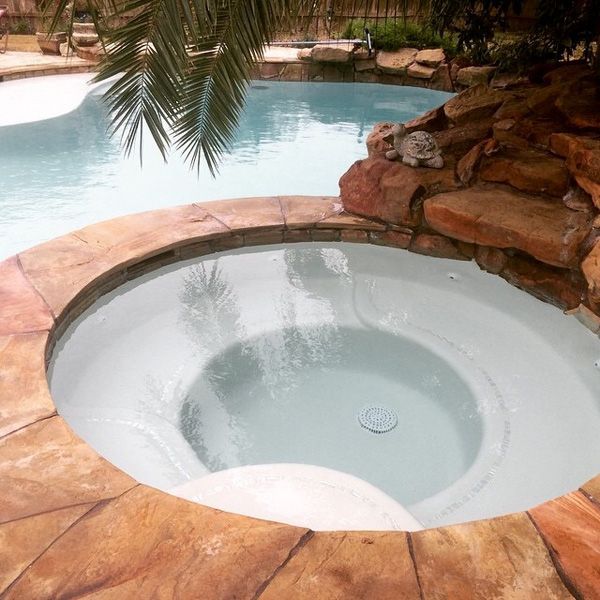
White plaster is the classic look at the most accessible price. Quartz adds durability and colour depth for a moderate step up. Pebble costs the most, lasts the longest, and gives a texture many Houston homeowners prefer underfoot.
We will walk you through the real difference rather than steering you to the most expensive option.
Do the tile and coping at the same time
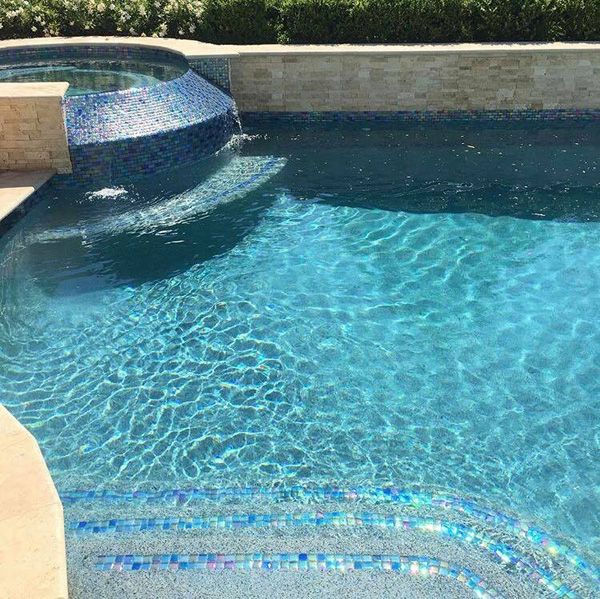
The pool is drained and the crew is on site, so this is the cheapest moment to replace failing waterline tile, redo coping, or add a light.
Doing any of it later means paying to drain and refill all over again. We will tell you what is worth bundling and what can safely wait.
Why Houston Homeowners Choose Express Pool
Family owned, and working on Houston pools for over 35 years. Fully insured, and one of the most referred pool contractors in the area.
Plastering is the core of what we do, not a sideline. We manage the start-up chemistry, not just the plaster, and we give you an honest comparison of plaster, quartz and pebble on cost and lifespan.
We serve Houston, Katy, Spring, The Woodlands, Cypress, Conroe, Humble, Kingwood and Tomball.
Pool Replastering Questions
How long does a pool replaster take?
Most residential replasters run a few days on site, weather permitting, then a fill and a first week of managed start-up chemistry. We give you the schedule up front, including the parts that cannot be rushed.
Can you replaster over the old plaster?
It is not what we recommend. Bonding a new coat over a failed one is how you get delamination a season or two later. We chip out the old surface and prepare the shell so the new coat has something sound to hold on to.
What is the difference between replastering and resurfacing?
Mostly the words. Replastering implies a plaster coat going back on. Resurfacing covers any new interior finish including quartz and pebble.
Will a new surface change how much chlorine I use?
Usually for the better. A worn, porous surface holds contaminants and works your chemistry harder. A sound new surface is easier to keep balanced.
Start from our resurfacing and plastering overview, compare pool resurfacing, read the replaster process, or see our guide to selecting the proper pool finish. The CDC Healthy Swimming pages cover pool water chemistry.
See five recent Houston-area jobs, including a full replaster in Conroe, in our pool renovation case studies.